Categorie
Nuovi prodotti
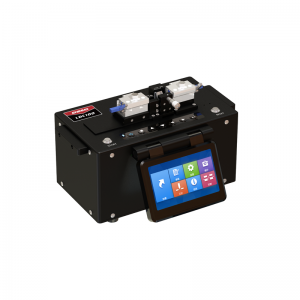
Mannaia per fibra ottica di grande diametro LDC-100 * Applicabile a fibre di diametro 80μm~600μm *Scanalatura a V della pompa del vuoto comoda per mettere la fibra *Lama durevole, durata più di 20000 volte *Archiviazione dati 4000 gruppi * Menu GUI intuitivo, facile da usare Di Più
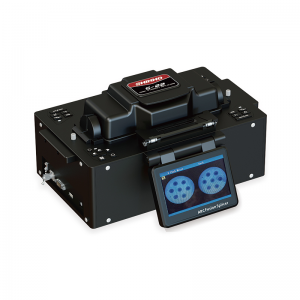
Giuntatrice a fusione in fibra multi-core S-22 La prima giuntatrice a fusione di fibra multi - core completamente automatica in Cina Di Più
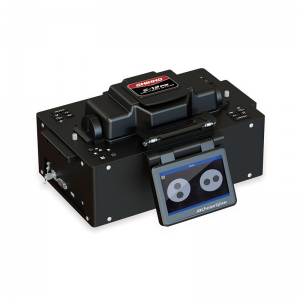
Polarizzazione di Mantenimento (PM) in Fibra di Fusion Splicer S-12 * Core a core di allineamento, bassa perdita di splicing * Endview e il Profilo di osservazione e di allineamento * Arco di calibrazione automatica e splicing * PM fibra di 45 e 90 gradi di allineamento Di Più
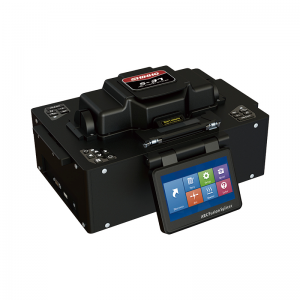
S-37 LDF Speialty Fiber Fusion Splicer SHINHO S-37 è l'ultimo modello che abbiamo sviluppato, potrebbe unire il diametro del rivestimento in fibra da 125 a 400 μm con una bassa perdita di giunzione. Abbiamo dotato la macchina di 3 diversi portafibra e 2 paia di elettrodi di ricambio. Di Più

splicer di fusione fibra core allineamento core x900 sei splicer di fusione per motori, vera tecnologia di allineamento core-core. 6 s splicing, 16s riscaldamento, identificare automaticamente i tipi di fibra. utilizzato per progetti wan / uomo / telecomunicazione. Di Più
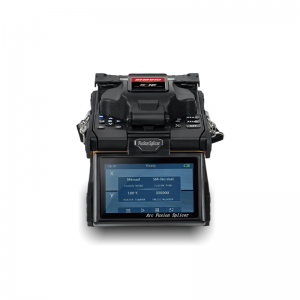
robusta giuntatrice per fusione ad arco multifunzione s16 design industriale robusto, anti-shock, a prova di polvere e impermeabile. supporto multifunzione per fibra nuda, patch cord, cavo di derivazione, ecc. splicing e riscaldamento rapidi, calibrazione automatica dell'arco. Di Più
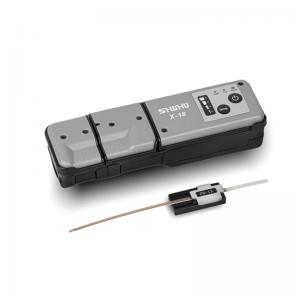
SHINHO X-18 Stripper termico in fibra di nastro Shinho X-18 Thermal Stripper è uno stripper termico manuale di nuova concezione, appositamente progettato per lo stripping termico non distruttivo della guaina di cavi a nastro fino a 12 fibre. Uno strumento buono e affidabile per il lavoro di giunzione della fibra del nastro. Di Più
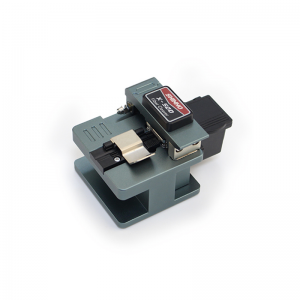
Mannaia per fibre ottiche ad alta precisione X-50D Di piccole dimensioni e leggero, facile da usare. Alta precisione e prestazioni stabili. Più di 48000 volte la durata della lama, lunghezza tagliata in fibra 5 ~ 20 mm. Materiale di alta qualità Di Più
Fibre a nucleo cavo nei sistemi laser: una nuova opzione oltre le fibre convenzionali
Man mano che i sistemi laser continuano a spingersi verso potenze più elevate, larghezze di riga più strette e durate di impulso più brevi, le tradizionali fibre ottiche a nucleo solido si avvicinano gradualmente ai loro limiti fisici. Effetti non lineari come SBS, SRS e automodulazione di fase limitano sempre più ulteriori miglioramenti delle prestazioni. In questo contesto, Fibra a nucleo cavo (HCF) si è affermata come un'opzione promettente e strategica per le architetture laser di prossima generazione.
A differenza delle fibre convenzionali in cui la luce si propaga attraverso la silice, le fibre HCF guidano la luce prevalentemente nell'aria. Questa differenza fondamentale porta a non linearità ottica notevolmente ridotta e maggiore capacità di gestione della potenza di picco Ciò rende HCF particolarmente interessante per laser a impulsi ultracorti (ps/fs), sistemi a larghezza di riga ridotta, combinazione coerente di fasci e applicazioni scientifiche o di difesa avanzate.
Tuttavia, l'adozione di HCF non è semplicemente una questione di sostituire una fibra con un'altra. Dal punto di vista della produzione e dell'integrazione, giunzione di fibre la scissione e la qualità della superficie terminale diventano fattori critici a livello di sistema piuttosto che processi di routine.
Nei sistemi laser a impulsi ultracorti, la potenza di picco può essere di diversi ordini di grandezza superiore alla potenza media. Qualsiasi imperfezione, come microfratture, contaminazione, disallineamento di modo o collasso strutturale nel punto di giunzione, può diventare una causa immediata di guasto. Analogamente, una scarsa qualità di taglio o difetti sub-micronici sulla superficie terminale della fibra possono portare a un'intensificazione localizzata del campo, a scariche in aria o a danni catastrofici durante il funzionamento.
È qui che attrezzature specializzate per la lavorazione delle fibre svolge un ruolo decisivo.
Giuntatrici a fusione avanzate progettate per fibre speciali, insieme a taglierine di alta precisione ottimizzate per fibre a grande campo modale e microstrutturate, sono essenziali per garantire:
Transizione stabile del campo modale
Distorsione strutturale minima
Elevata ripetibilità e affidabilità a lungo termine
Man mano che HCF passa dalle dimostrazioni di laboratorio ai veri prodotti laser, Il collo di bottiglia non è più solo la progettazione della fibra, ma anche la sua capacità di essere lavorata, integrata e mantenuta. .
Guardando al futuro, è improbabile che la fibra a nucleo cavo sostituisca le fibre convenzionali nei principali sistemi laser CW industriali nel breve termine. Il suo futuro risiede invece in applicazioni laser di fascia alta e ad alte prestazioni , dove spingere i limiti fisici giustifica una maggiore complessità e costi più elevati. In questi sistemi, la giunzione e la scissione affidabili non sono opzionali, ma costituiscono il fondamento della stabilità del sistema.
Per i produttori e i fornitori di servizi laser, investire oggi in soluzioni adeguate per la lavorazione delle fibre significa essere pronti per le tecnologie laser di domani.

benvenuto a registrare la newsletter se avete qualche interesse nei nostri prodotti, vi terremo informati delle nostre notizie, informazioni sui prodotti e promozioni se ce n'è.
© Copyright: SHINHO OPTICS LIMITED Tutti i diritti riservati.


 italiano
 English
 français
 русский
 español
 português
 العربية
 ไทย
ไทย हिन्दी
 Indonesia
 中文
中文