Categorie
Nuovi prodotti
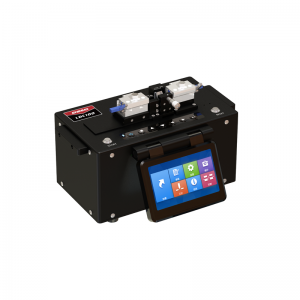
Mannaia per fibra ottica di grande diametro LDC-100 * Applicabile a fibre di diametro 80μm~600μm *Scanalatura a V della pompa del vuoto comoda per mettere la fibra *Lama durevole, durata più di 20000 volte *Archiviazione dati 4000 gruppi * Menu GUI intuitivo, facile da usare Di Più
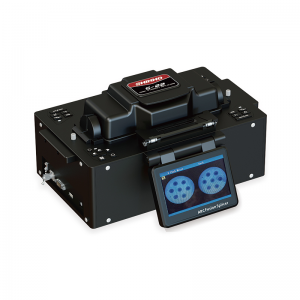
Giuntatrice a fusione in fibra multi-core S-22 La prima giuntatrice a fusione di fibra multi - core completamente automatica in Cina Di Più
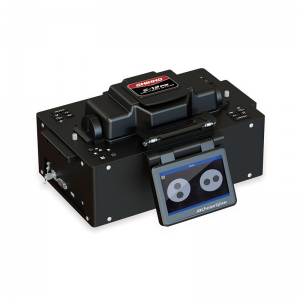
Polarizzazione di Mantenimento (PM) in Fibra di Fusion Splicer S-12 * Core a core di allineamento, bassa perdita di splicing * Endview e il Profilo di osservazione e di allineamento * Arco di calibrazione automatica e splicing * PM fibra di 45 e 90 gradi di allineamento Di Più
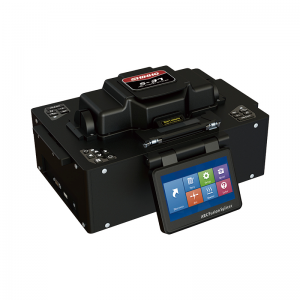
S-37 LDF Speialty Fiber Fusion Splicer SHINHO S-37 è l'ultimo modello che abbiamo sviluppato, potrebbe unire il diametro del rivestimento in fibra da 125 a 400 μm con una bassa perdita di giunzione. Abbiamo dotato la macchina di 3 diversi portafibra e 2 paia di elettrodi di ricambio. Di Più

splicer di fusione fibra core allineamento core x900 sei splicer di fusione per motori, vera tecnologia di allineamento core-core. 6 s splicing, 16s riscaldamento, identificare automaticamente i tipi di fibra. utilizzato per progetti wan / uomo / telecomunicazione. Di Più
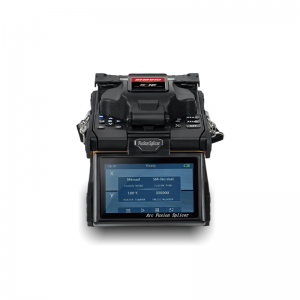
robusta giuntatrice per fusione ad arco multifunzione s16 design industriale robusto, anti-shock, a prova di polvere e impermeabile. supporto multifunzione per fibra nuda, patch cord, cavo di derivazione, ecc. splicing e riscaldamento rapidi, calibrazione automatica dell'arco. Di Più
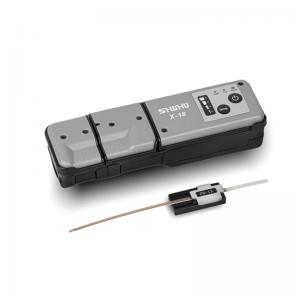
SHINHO X-18 Stripper termico in fibra di nastro Shinho X-18 Thermal Stripper è uno stripper termico manuale di nuova concezione, appositamente progettato per lo stripping termico non distruttivo della guaina di cavi a nastro fino a 12 fibre. Uno strumento buono e affidabile per il lavoro di giunzione della fibra del nastro. Di Più
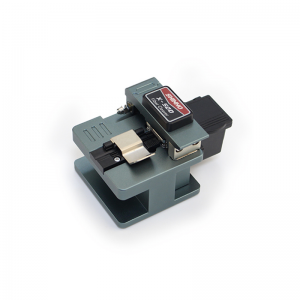
Mannaia per fibre ottiche ad alta precisione X-50D Di piccole dimensioni e leggero, facile da usare. Alta precisione e prestazioni stabili. Più di 48000 volte la durata della lama, lunghezza tagliata in fibra 5 ~ 20 mm. Materiale di alta qualità Di Più
Applicazioni e futuro delle fibre ottiche a rivestimento sottile in campo medico
Negli ultimi anni, le fibre ottiche con diametri di rivestimento più piccoli, come
40 µm, 50 µm e 60 µm
—hanno attirato sempre maggiore attenzione nel settore della tecnologia medica. Rispetto alle fibre ottiche convenzionali con
rivestimento da 125 µm
Queste fibre più piccole offrono maggiore flessibilità, minore invasività e migliore integrazione in dispositivi medici compatti. Con la continua crescita della medicina minimamente invasiva, le fibre ottiche di piccolo diametro stanno diventando una tecnologia abilitante fondamentale.
Una delle applicazioni più comuni è
litotrissia laser in urologia
Nelle procedure utilizzate per il trattamento dei calcoli renali, i medici inseriscono un endoscopio flessibile attraverso le vie urinarie e trasmettono energia laser attraverso una sottile fibra ottica per frammentare i calcoli in piccoli pezzi. Laser come il laser a olmio:YAG e il laser a fibra di tulio si basano su fibre ottiche per erogare l'energia con precisione. Fibre più sottili consentono all'endoscopio di mantenere una maggiore flessibilità e permettono ai chirurghi di raggiungere i calcoli situati in percorsi anatomici più stretti o complessi.
Un'altra importante applicazione è il trattamento delle malattie vascolari come le vene varicose. Una tecnica minimamente invasiva nota come ablazione laser endovenosa utilizza una fibra ottica inserita nella vena interessata. L'energia laser riscalda la parete del vaso, provocandone la chiusura e il successivo assorbimento da parte dell'organismo. Le sottili fibre ottiche contribuiscono a ridurre il trauma durante l'inserimento e consentono ai medici di navigare più facilmente nei piccoli vasi sanguigni.
Le fibre ottiche di piccolo diametro vengono utilizzate anche in procedure neurologiche avanzate. In tecniche come la terapia termica interstiziale laser, una sonda laser molto sottile viene inserita nel tessuto cerebrale per distruggere con precisione tumori o tessuto anomalo. Poiché le strutture cerebrali sono estremamente delicate, si preferiscono fibre di diametro inferiore in quanto riducono al minimo i danni ai tessuti circostanti, garantendo al contempo un'erogazione di energia precisa.
In oncologia, le fibre ottiche svolgono un ruolo chiave nei trattamenti basati sulla luce, come la terapia fotodinamica. In questa terapia, un farmaco fotosensibile si accumula nelle cellule tumorali e viene poi attivato dalla luce trasmessa attraverso una fibra ottica. La reazione risultante distrugge le cellule bersaglio preservando i tessuti sani. Le fibre ottiche di piccole dimensioni facilitano la somministrazione della luce attraverso endoscopi in organi come polmoni, esofago o vescica.
Guardando al futuro, si prevede che la domanda di fibre ottiche con rivestimento sottile crescerà di pari passo con lo sviluppo di
chirurgia minimamente invasiva, sistemi di chirurgia robotica e strumenti endoscopici avanzati
. Man mano che i dispositivi medici diventano più piccoli e più precisi, aumenterà la necessità di fibre ottiche flessibili e ad alte prestazioni. Sebbene questo mercato sia più piccolo dell'industria delle fibre per telecomunicazioni, è caratterizzato da
elevati requisiti tecnici e un ottimo rapporto qualità-prezzo
, il che la rende una nicchia importante all'interno del più ampio ecosistema della fibra ottica.
In sintesi, le fibre ottiche di piccolo diametro stanno aprendo nuove possibilità nella medicina moderna, dal trattamento dei calcoli renali alla terapia oncologica. Con l'avanzare della tecnologia sanitaria verso procedure meno invasive e più precise, queste fibre specializzate svolgeranno un ruolo sempre più cruciale nelle future innovazioni mediche.

benvenuto a registrare la newsletter se avete qualche interesse nei nostri prodotti, vi terremo informati delle nostre notizie, informazioni sui prodotti e promozioni se ce n'è.
© Copyright: SHINHO OPTICS LIMITED Tutti i diritti riservati.


 italiano
 English
 français
 русский
 español
 português
 العربية
 ไทย
ไทย हिन्दी
 Indonesia
 中文
中文