Categorie
Nuovi prodotti
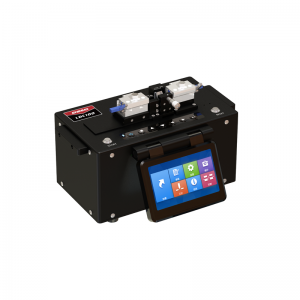
Mannaia per fibra ottica di grande diametro LDC-100 * Applicabile a fibre di diametro 80μm~600μm *Scanalatura a V della pompa del vuoto comoda per mettere la fibra *Lama durevole, durata più di 20000 volte *Archiviazione dati 4000 gruppi * Menu GUI intuitivo, facile da usare Di Più
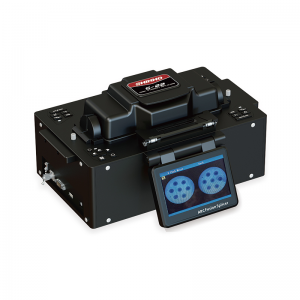
Giuntatrice a fusione in fibra multi-core S-22 La prima giuntatrice a fusione di fibra multi - core completamente automatica in Cina Di Più
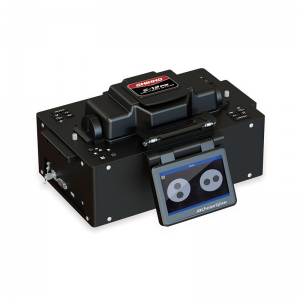
Polarizzazione di Mantenimento (PM) in Fibra di Fusion Splicer S-12 * Core a core di allineamento, bassa perdita di splicing * Endview e il Profilo di osservazione e di allineamento * Arco di calibrazione automatica e splicing * PM fibra di 45 e 90 gradi di allineamento Di Più
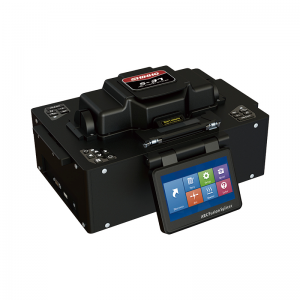
S-37 LDF Speialty Fiber Fusion Splicer SHINHO S-37 è l'ultimo modello che abbiamo sviluppato, potrebbe unire il diametro del rivestimento in fibra da 125 a 400 μm con una bassa perdita di giunzione. Abbiamo dotato la macchina di 3 diversi portafibra e 2 paia di elettrodi di ricambio. Di Più

splicer di fusione fibra core allineamento core x900 sei splicer di fusione per motori, vera tecnologia di allineamento core-core. 6 s splicing, 16s riscaldamento, identificare automaticamente i tipi di fibra. utilizzato per progetti wan / uomo / telecomunicazione. Di Più
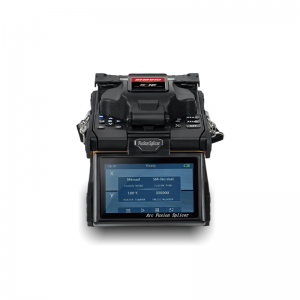
robusta giuntatrice per fusione ad arco multifunzione s16 design industriale robusto, anti-shock, a prova di polvere e impermeabile. supporto multifunzione per fibra nuda, patch cord, cavo di derivazione, ecc. splicing e riscaldamento rapidi, calibrazione automatica dell'arco. Di Più
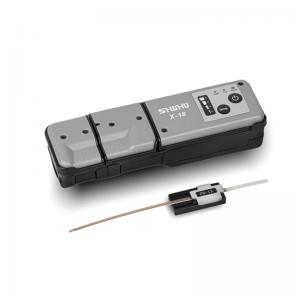
SHINHO X-18 Stripper termico in fibra di nastro Shinho X-18 Thermal Stripper è uno stripper termico manuale di nuova concezione, appositamente progettato per lo stripping termico non distruttivo della guaina di cavi a nastro fino a 12 fibre. Uno strumento buono e affidabile per il lavoro di giunzione della fibra del nastro. Di Più
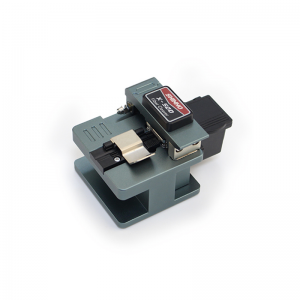
Mannaia per fibre ottiche ad alta precisione X-50D Di piccole dimensioni e leggero, facile da usare. Alta precisione e prestazioni stabili. Più di 48000 volte la durata della lama, lunghezza tagliata in fibra 5 ~ 20 mm. Materiale di alta qualità Di Più
Come la giuntatrice a fusione per fibre ottiche intreccia Internet
In un'epoca in cui diamo per scontata la connessione internet gigabit – lo streaming di video in 4K senza buffering, la partecipazione a videochiamate Zoom fluide o il backup di terabyte di dati sul cloud in pochi minuti – è facile dimenticare l'infrastruttura fisica che rende tutto ciò possibile.
Sotto le nostre strade, attraverso gli oceani e inerpicandosi sui palazzi, milioni di chilometri di fili di vetro trasportano dati alla velocità della luce. Ma queste fragili fibre di vetro non si uniscono da sole. Vengono saldate insieme da uno degli strumenti più precisi, eppure sottovalutati, del mondo delle telecomunicazioni: La giuntatrice a fusione per fibre ottiche.
Immaginatela come la macchina da cucire più meticolosa del mondo, che cuce insieme il tessuto di Internet.
Una giuntatrice a fusione è un dispositivo ad alta tecnologia che esegue micro-interventi chirurgici sul vetro. Il suo compito è quello di unire due fibre ottiche separate, una all'altra, in modo così perfetto che la luce passi attraverso la giunzione come se la fibra non fosse mai stata tagliata.
Come funziona?
La macchina genera un arco ad alta tensione tra due elettrodi, creando una scintilla che raggiunge temperature di circa
1.800 °C (3.600 °F)
Questo calore intenso fonde le punte delle fibre di vetro, e la macchina poi spinge fisicamente le estremità l'una contro l'altra, fondendole in un unico filamento continuo.
Ma ecco il trucco: il nucleo di una fibra monomodale, ovvero il percorso effettivo per la luce, è lungo solo circa 9 micron di diametro . Per contestualizzare, un capello umano ha uno spessore di circa 75 micron. Se la giuntatrice disallinea questi nuclei di appena 1 micron , il segnale si degrada.
Ecco perché una giuntatrice a fusione non è semplicemente una "torcia"; è una meraviglia dell'optoelettronica, dotata di microscopi ad alta potenza, motori passo-passo e complessi algoritmi di elaborazione delle immagini.
Non tutte le giuntatrici sono uguali. Il mercato si divide generalmente in due categorie in base al modo in cui la macchina allinea le fibre: Allineamento del rivestimento (PAS) E Allineamento centrale .
l Allineamento del rivestimento (PAS): Questo è il metodo più vecchio e veloce. La macchina analizza il bordo esterno del vetro (il rivestimento) e allinea le fibre in base a esso. È come allineare due persone per l'orlo del cappotto: di solito è sufficiente, ma le persone all'interno potrebbero non essere perfettamente dritte. Questo metodo è comunemente utilizzato per le implementazioni FTTH (Fiber to the Home) dove la sensibilità al costo è elevata e i requisiti di distanza sono brevi.
l Allineamento centrale: Questo è lo standard di riferimento per le reti backbone ad alta velocità. Utilizzando sensori di immagine avanzati (come le telecamere CCD) e un sistema multimotore, la giuntatrice "guarda" letteralmente il nucleo della fibra. Analizza la geometria del vetro e allinea direttamente i nuclei. Ciò riduce la perdita media di giunzione a 0,02 dB o inferiore Quando si inviano dati attraverso un oceano, la precisione è fondamentale.
Se state cercando una giuntatrice, che siate un installatore, un gestore di data center o un'azienda di servizi, la scelta si riduce solitamente a quattro fattori chiave: Perdita, velocità, durata e costo.
1. Perdita di giunzione: Questo non è negoziabile. Cercate macchine che offrano costantemente una bassa perdita di giunzione stimata. Anche una differenza di 0,1 dB su centinaia di giunzioni si traduce in una perdita di segnale significativa.
2. Velocità: Il tempo è denaro in un cantiere. Le giuntatrici moderne possono completare un ciclo di fusione completo (allineamento, fusione e stima della perdita) in meno di 10 secondi , con cicli di riscaldamento per manicotti protettivi che durano circa 15-20 secondi .
3. Resistenza ambientale: La giunzione delle fibre avviene spesso nei tombini, sui pali del telefono o nei cantieri edili polverosi. È necessaria una macchina con un'elevata Grado di protezione IP (Ingress Protection) La certificazione IP52 o superiore è standard, il che significa che la macchina è resistente alla polvere e agli spruzzi d'acqua.
4. Durata e manutenzione degli elettrodi: Gli elettrodi sono il cuore pulsante e soggetto a usura della macchina. Una buona giuntatrice dovrebbe garantire da 3.000 a 5.000 scariche ad arco per ogni set di elettrodi. Una manutenzione regolare, come la pulizia delle scanalature a V (dove si innesta la fibra) con un batuffolo di cotone, permetterà alla macchina di funzionare per 5-10 anni.
Anche con una giuntatrice a fusione di fascia alta da 10.000 dollari, è comunque possibile ottenere una giunzione difettosa. La macchina è valida solo quanto la preparazione dell'operatore. Il processo è un rituale:
1. Striscia: Rimuovere il rivestimento protettivo in plastica dalla fibra utilizzando un apposito strumento.
2. Pulito: Pulisci il vetro nudo con alcol isopropilico al 99% e salviette prive di lanugine. Qualsiasi particella di polvere microscopica brucerà nell'arco, causando bolle o contaminazioni.
3. Spaccatura: Incidete e spezzate la fibra con un angolo perfetto di 90 gradi utilizzando un taglierino. Questo crea una superficie liscia come uno specchio. Un taglio impreciso è la causa principale di un'elevata perdita di giunzione.
4. Giunzione: Inserisci le fibre nella macchina e premi "Imposta". La macchina farà il resto.
5. Proteggere: Infilate una guaina termoretraibile sul vetro nudo e mettetelo in forno. Questo ripristina la resistenza meccanica della fibra.
6. Test: Utilizzare un OTDR (riflettometro ottico nel dominio del tempo) per verificare che la giunzione sia perfetta.

benvenuto a registrare la newsletter se avete qualche interesse nei nostri prodotti, vi terremo informati delle nostre notizie, informazioni sui prodotti e promozioni se ce n'è.
© Copyright: SHINHO OPTICS LIMITED Tutti i diritti riservati.


 italiano
 English
 français
 русский
 español
 português
 العربية
 ไทย
ไทย हिन्दी
 Indonesia
 中文
中文